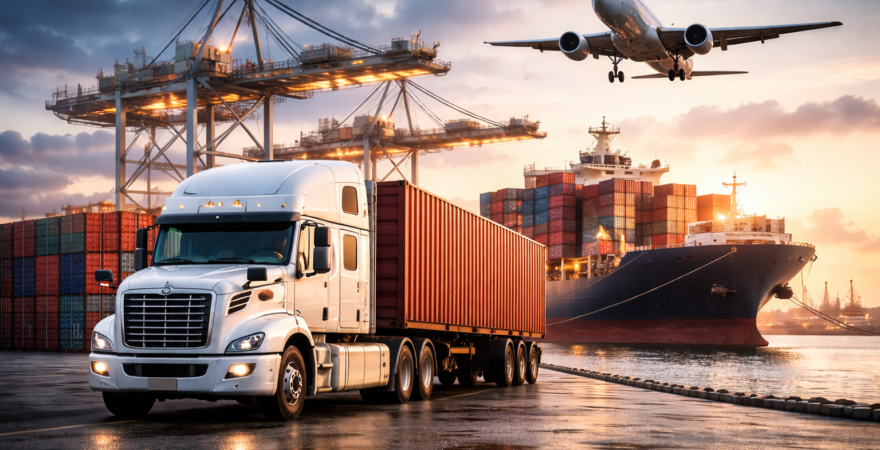
In the global supply chain the transport of Dangerous Goods—substances and articles that pose a risk to health, safety, property, or the environment—requires stringent oversight. Whether moving by road, sea, or air, compliance is not just a legal requirement but a fundamental pillar of operational safety and corporate responsibility.
Understanding the 9 Classes of Dangerous Goods
Dangerous goods are categorized into nine distinct classes based on their specific chemical and physical properties. This classification is the foundation of the industry, as it determines exactly how products must be packed, labeled, and handled during transit.
- Class 1: Explosives (e.g., ammunition, fireworks)
- Class 2: Gases (Flammable, non-flammable, or toxic)
- Class 3: Flammable Liquids (e.g., fuel, solvents)
- Class 4: Flammable Solids (Substances liable to spontaneous combustion or emitting flammable gases when in contact with water)
- Class 5: Oxidizing Substances and Organic Peroxides
- Class 6: Toxic and Infectious Substances
- Class 7: Radioactive Material
- Class 8: Corrosives (e.g., acids, batteries)
- Class 9: Miscellaneous Dangerous Goods (Substances that present a danger during transport but are not covered by other classes, including Lithium Batteries)
The Legal Framework: ADR, IMDG, and IATA
Depending on the mode of transport, different international regulations apply. Navigating these requires a deep understanding of the specific environment in which your cargo will travel.
ADR (Road): The Agreement concerning the International Carriage of Dangerous Goods by Road. It governs packaging, load securement, and driver training across Europe and beyond.
IMDG Code (Sea): The International Maritime Dangerous Goods Code. This focuses on the stability of substances during long voyages and the prevention of marine pollution.
IATA DGR (Air): The International Air Transport Association Dangerous Goods Regulations. These represent the strictest rules in the industry due to pressure changes, temperature fluctuations, and limited accessibility during flight.
The responsibility for safety is shared between the Consignor, the Carrier, and the Consignee. Each participant must ensure that the goods are correctly classified, documented, and declared before the journey begins.
The Critical Role of Audits and Training
Many companies handle dangerous goods without even realizing it. Items like cleaning supplies, aerosols, or electronic components often fall under DG regulations, creating “hidden” risks.
A professional DG audit is the first step in identifying these vulnerabilities. It evaluates whether your inventory contains regulated materials and checks if your storage and documentation meet current legal standards. Once DG are identified, personnel involved in their handling or documentation must receive mandatory training. This ensures the team knows how to read Safety Data Sheets, how to react in the event of a leak, and how to avoid the heavy fines associated with non-compliance.
Why an Emergency Response Number is Mandatory
For international shipments, especially under IATA and IMDG regulations, providing a 24/7 Emergency Response Telephone Number on transport documents is often a strict requirement. In the event of an incident, first responders need immediate access to technical experts who can provide guidance on containment or medical advice. Having this number is not just about checking a box; it is about providing a lifeline during a crisis.
The Modern Challenge: Lithium Batteries
Lithium batteries have revolutionized modern technology, but they represent a growing challenge for the logistics sector. Due to their high energy density, they are susceptible to thermal runaway if damaged, overcharged, or short-circuited.
Classified under Class 9, lithium batteries are subject to specific testing (UN 38.3), strict State-of-Charge limits for air transport, and rigorous specialized packaging. As their usage continues to grow in everything from smartphones to electric vehicles, staying compliant with their evolving regulations is vital for any forward-thinking business.
Conclusion
Managing Dangerous Goods is a high-stakes responsibility that leaves no room for error. Through regular audits, specialized training, and a precise application of ADR, IMDG, and IATA standards, companies can protect their personnel and ensure their cargo reaches its destination safely and legally.
3 Responses to “Navigating the Complex World of Dangerous Goods: A Comprehensive Guide”
Leave a Reply

METRYTRE377090MAVNGHJTH
METRYTRE306886MARETRYTR
rtmflvkpjndzlehqektlvuhqigsrdw